
Best budget action cameras for vlogging are usually the sweet spot for creators who want stable, wide-angle footage on trips, but don’t want to gamble on no-name gear that quits mid-adventure. If you’ve ever come home with shaky clips, muffled audio, or a dead battery after 40 minutes, you already know why “budget” can get expensive fast.
The good news: you don’t need the newest flagship action cam to get watchable, publishable travel video. What you do need is a short list of features that matter for vlogging, and a way to tell real specs from marketing noise.
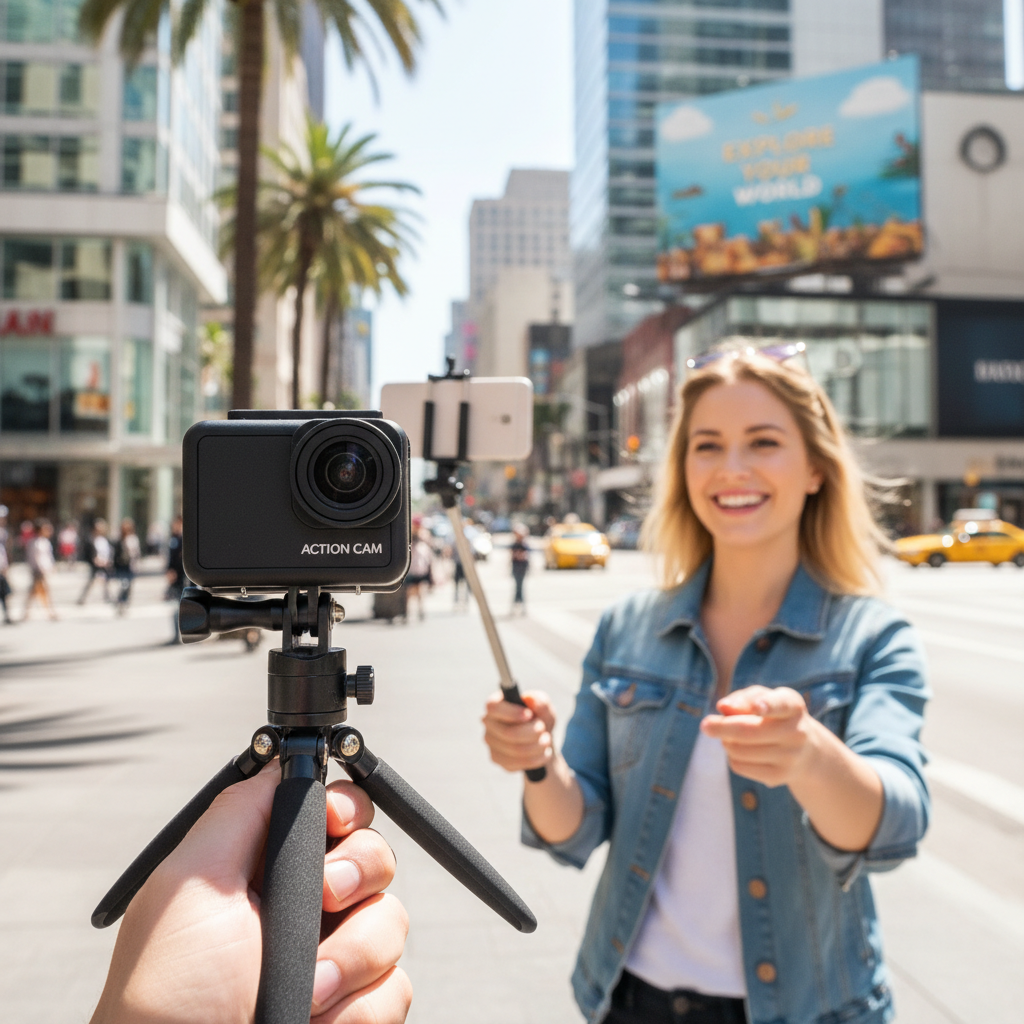
This guide focuses on what typically works for U.S. travelers and vloggers: stabilization, usable audio, battery behavior, and mounts. You’ll also get a quick comparison table, a practical checklist, and a few “buy this type, skip that type” callouts.
What “budget” really means for vlogging action cams
In action cameras, budget often means you’re trading a bit of low-light quality and premium software polish for a much lower price. That can be totally fine for travel vlogging, where most shots happen in daylight and you’re moving quickly.
Where budget cams tend to stumble is consistency: app connections, audio quality, and stabilization that looks good on the spec sheet but falls apart when you walk-and-talk. According to Federal Trade Commission (FTC), advertising must be truthful and not misleading, which is a nice principle, but in practice you still need to read between the lines on “4K” and “EIS.”
Rule of thumb: if the camera can’t deliver stable 1080p with decent audio, “4K” doesn’t save it.
Quick comparison table: what to look for (and why it matters)
Before picking specific models, it helps to score cameras by outcomes, not buzzwords. Use this as a decision lens when you compare listings.
| Feature | What to prioritize for vlogging | Common budget compromise |
|---|---|---|
| Stabilization | Reliable EIS at 1080p/4K while walking | Looks OK static, wobbles during steps |
| Field of view | Wide, but with a less “fishbowl” option | Only ultra-wide, faces distort at arm’s length |
| Audio | Clean voice indoors/outdoors, wind reduction | Thin sound, aggressive noise reduction artifacts |
| Battery | Realistic 60–90 min per battery for travel days | Overheats at 4K, drains faster than expected |
| Waterproofing | Rated without a case if you plan water shots | “Splash-proof” marketing, unclear rating |
| Mount ecosystem | GoPro-style mounts or easy adapters | Odd proprietary mounts, limited accessories |
Top picks: best budget action cameras for vlogging (by scenario)
Because prices move constantly, the most useful way to recommend is by “type” plus a few widely available examples you’ll often see at U.S. retailers. Think of these as lanes that match real travel shooting.
1) The safe all-around pick (used or previous-gen GoPro)
If you want the least drama, a used or previous-generation GoPro is still the easiest recommendation. Stabilization and mount compatibility tend to be the most predictable, and accessories are everywhere.
- Who it’s for: walking tours, POV shots, hiking, family travel
- Look for: strong stabilization mode, decent front screen (or easy framing), USB-C charging
- Why budget works here: last-gen models often drop into “budget” pricing without losing the core experience
2) The “best value new” alternative (DJI/other mainstream competitor)
Mainstream competitors often compete hardest on stabilization and color. When you catch sales, these can land in budget territory while still feeling like a modern camera, not a toy.
- Who it’s for: travelers who care about color straight out of camera, casual creators posting frequently
- Pay attention to: app stability, mic options, and whether the “best stabilization” disables certain resolutions
3) The ultra-budget kit cam (only if you accept the trade-offs)
There’s a class of very cheap “4K action cameras” that include tons of accessories. Sometimes they’re fine for daylight bike rides or as a backup angle, but they’re rarely the best budget action cameras for vlogging if your content relies on clean voice and smooth walking footage.
- Who it’s for: occasional use, risky environments, kids, secondary camera angle
- What usually disappoints: audio and stabilization during walking, plus inconsistent firmware/app behavior
- How to shop smarter: prioritize real stabilization performance at 1080p over “4K/60” claims
A fast self-checklist: pick the right camera tier in 2 minutes
Answer these honestly and your choice gets simpler fast.
- I film lots of walking and talking: prioritize stabilization + voice clarity, consider previous-gen mainstream models
- I vlog indoors, museums, night markets: expect budget low-light limits, prioritize larger sensor/strong processing when possible
- I need water shots: insist on a clear waterproof rating, and budget for anti-fog inserts if you use a case
- I want creator workflow speed: prioritize reliable app transfer and easy editing features
- I travel light: prioritize USB-C charging, replaceable batteries, and common mounts
Key point: for most people, “best budget” means buying the camera that wastes the least time, not the one with the longest spec list.
Practical setup: how to get better footage with any budget action cam
Even a strong camera looks bad with the wrong setup. These are the tweaks that usually make the biggest difference for travel vlogging.
Dial in settings (keep it boring on purpose)
- Start with 1080p or 4K at 30fps for vlogging, it’s easier on storage and overheating
- Turn stabilization on, but test walking footage before your trip, some modes crop heavily
- Use a less-wide view when talking to camera, your face will look more natural
- Lock exposure when possible in bright scenes to avoid “pumping” brightness
Fix audio without turning it into a studio project
- Wind is the enemy: a small foam cover or “deadcat” often helps outdoors
- Get closer: even moving the camera 6–12 inches closer can beat “better specs”
- Consider a small external mic if your camera supports it, especially for street narration
According to National Park Service (NPS), visitors should follow park rules and safety guidance, which matters for vlogging too: don’t compromise awareness just to capture audio in crowds or on trails.
Make battery and storage predictable
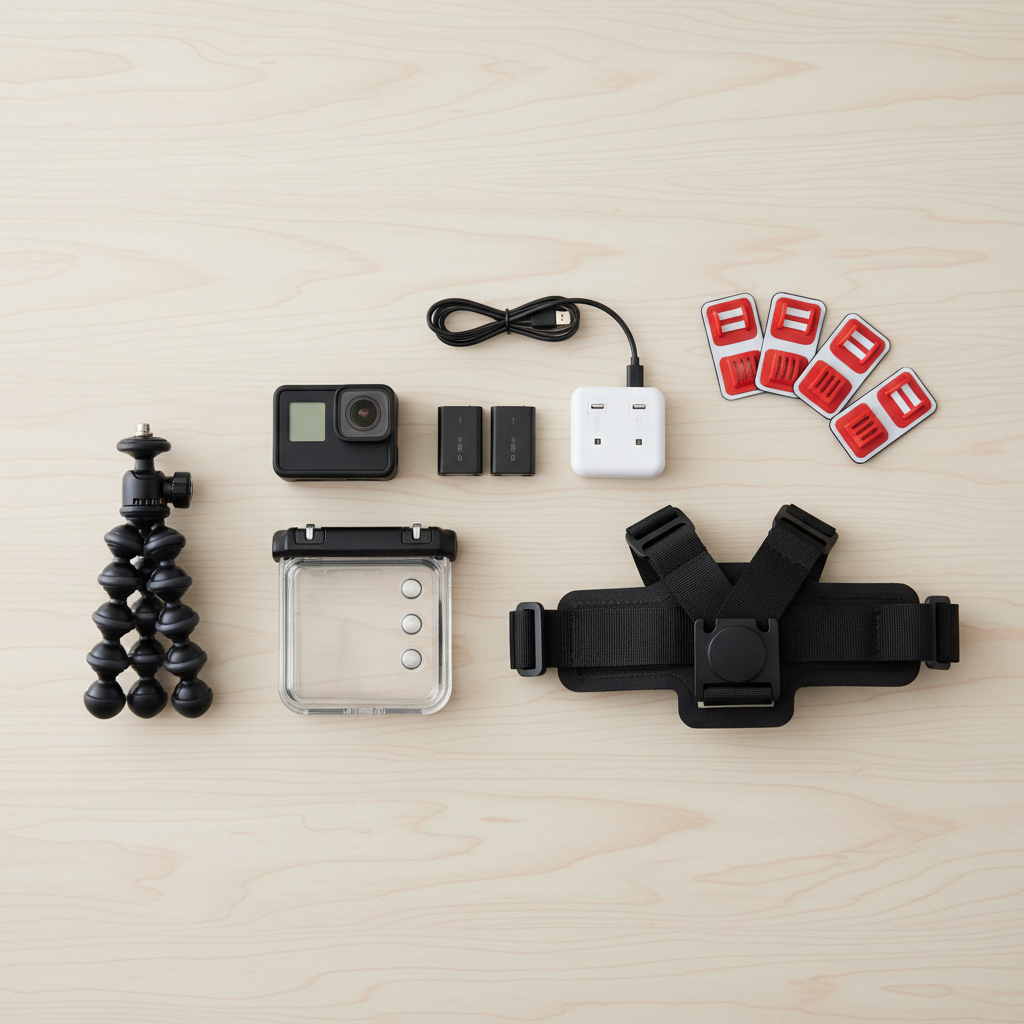
- Carry 2–3 batteries for a full travel day, especially if you film lots of 4K
- Use reputable microSD cards from major brands, random cards often cause corrupted clips
- Charge strategy: power bank + USB-C cable saves you at airports and long bus rides
Common mistakes people make when buying “budget” action cameras
A few patterns show up again and again, especially when people buy based on a single spec.
- Overvaluing max resolution: “4K/60” is irrelevant if stabilization or audio is rough
- Ignoring mount compatibility: if it can’t use common mounts, you’ll keep buying adapters
- Assuming waterproof means worry-free: saltwater and sand can still cause issues, rinse and dry gear
- Not testing workflow: if the app transfer is flaky, you’ll post less often, and that’s the real loss
If you’re comparing listings, try to find real-world walking footage samples and short audio tests. Specs rarely tell you how “annoying” a camera feels on day three of a trip.
When it’s worth stepping up (or asking for help)
Budget cameras cover most casual travel needs, but there are a few times you’ll feel the ceiling quickly.
- You film in low light often and want clean, usable footage without heavy editing
- You need reliable external audio for interviews or consistent narration
- You can’t reshoot important moments, like once-in-a-lifetime travel or paid content
If you’re not sure, a camera store demo or a creator friend’s quick test can save you money. And if you’re filming in places with specific rules or permits, it may help to check local guidance or consult a professional, since policies vary by location.
Conclusion: a smart way to choose today
Most people searching for the best budget action cameras for vlogging don’t need perfection, they need consistency: stable walking footage, voice you can understand, and batteries that don’t ruin your day. A previous-gen mainstream action cam often hits that balance, while ultra-cheap kits make more sense as backups or occasional use.
If you want one quick action step, pick two candidates and run a 10-minute test: walk outside, talk to camera, then transfer to your phone and edit a 20-second clip. The camera that feels easier in that loop is usually the right buy.
Key takeaways
- Stabilization + audio matter more than headline “4K” claims for vlogging
- Used or previous-gen mainstream models often deliver the best budget experience
- Workflow friction is a hidden cost, test app transfer before your trip if possible
FAQ
What are the best budget action cameras for vlogging if I walk a lot?
Look for proven stabilization in real walking tests, not just “EIS” in the listing. Previous-gen mainstream cameras are often the safest bet because stabilization tends to look more natural.
Is 4K necessary for travel vlogging on YouTube and TikTok?
Usually not. 1080p with clean stabilization and solid audio often performs better than shaky 4K, and it edits faster on phones and laptops.
How can I tell if an ultra-cheap action cam’s specs are real?
Check whether the brand publishes firmware updates, has a working app, and shows full sample clips. If you only see spec graphics and no real footage, that’s a warning sign.
Do I need a front-facing screen for vlogging?
It helps a lot for framing and confidence, especially for talking-head travel segments. If you skip it, you’ll rely more on wide framing and hope your angle is right.
What accessories matter most for a budget action camera setup?
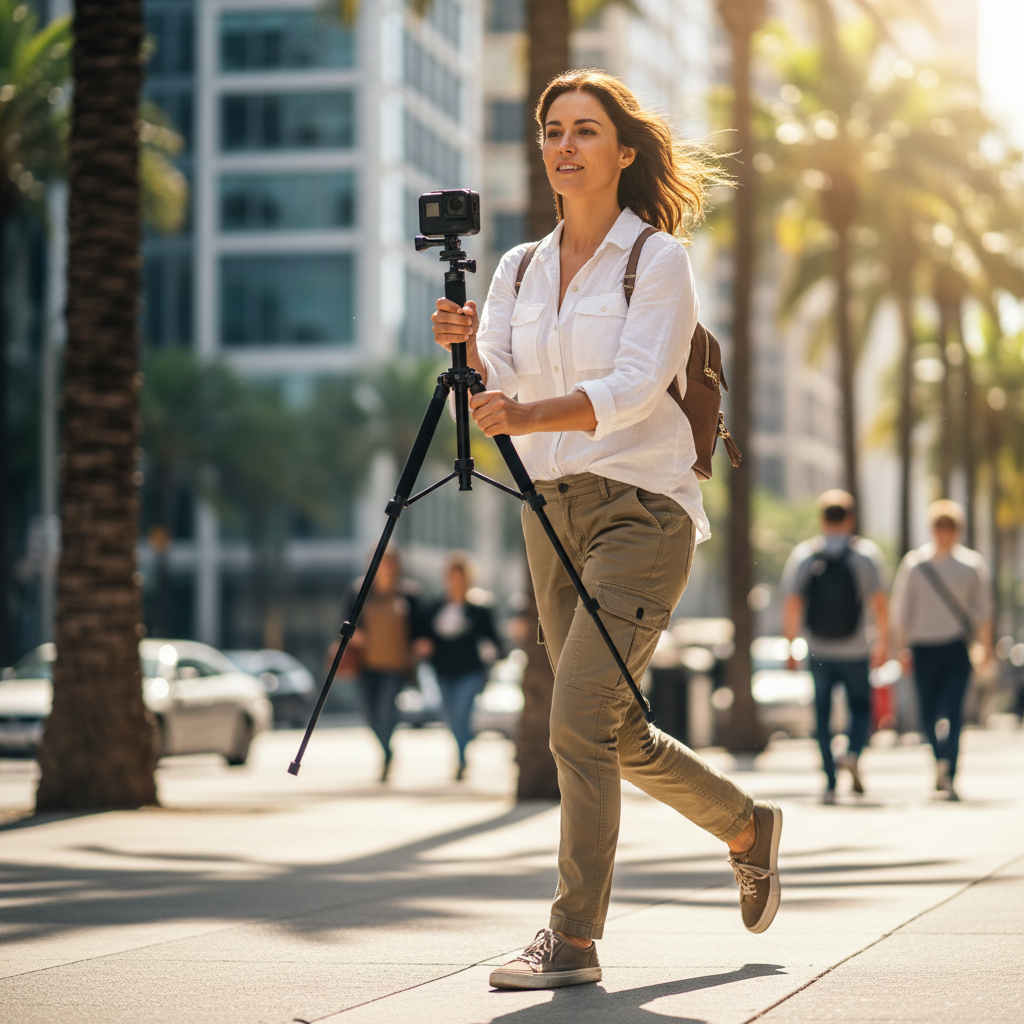
A small handheld tripod or grip, at least one extra battery, and a reliable microSD card usually bring the biggest day-to-day improvement. Add a wind cover if you film outdoors.
Why does my action cam footage look shaky even with stabilization on?
Some stabilization modes crop heavily or struggle in low light. Try a lower resolution/frame rate combo, use a less-wide field of view, and keep your walking motion smoother.
Can budget action cameras record good audio without an external mic?
In quiet environments, many can be “good enough,” but wind and street noise expose weaknesses fast. If your camera supports an external mic, it’s often a worthwhile upgrade for narration.
Where should I buy to reduce risk?
Retailers with easy returns help, because real-world testing matters. For used cameras, prefer reputable marketplaces and verify battery condition and lens condition before committing.
If you’re trying to choose between two models and want a more hassle-free decision, make a short list of your filming conditions and accessories you already own, then match the camera to your workflow instead of chasing the biggest spec sheet.