
Budget wireless headphones can be surprisingly good under $50 in 2026, but the gap between “great for the price” and “why did I buy this” is mostly about fit, mic quality, and how honest the battery specs are.
If you just want something that connects fast, stays comfortable, and doesn’t fall apart after a month, you’re in the right place, I’ll help you filter the noise and shop like someone who has returned a few too many cheap pairs.
One quick reality check, under $50 you usually can’t get top-tier active noise canceling and a premium microphone at the same time, so the goal is to pick the right compromise for your use case.
What “under $50” really means in 2026
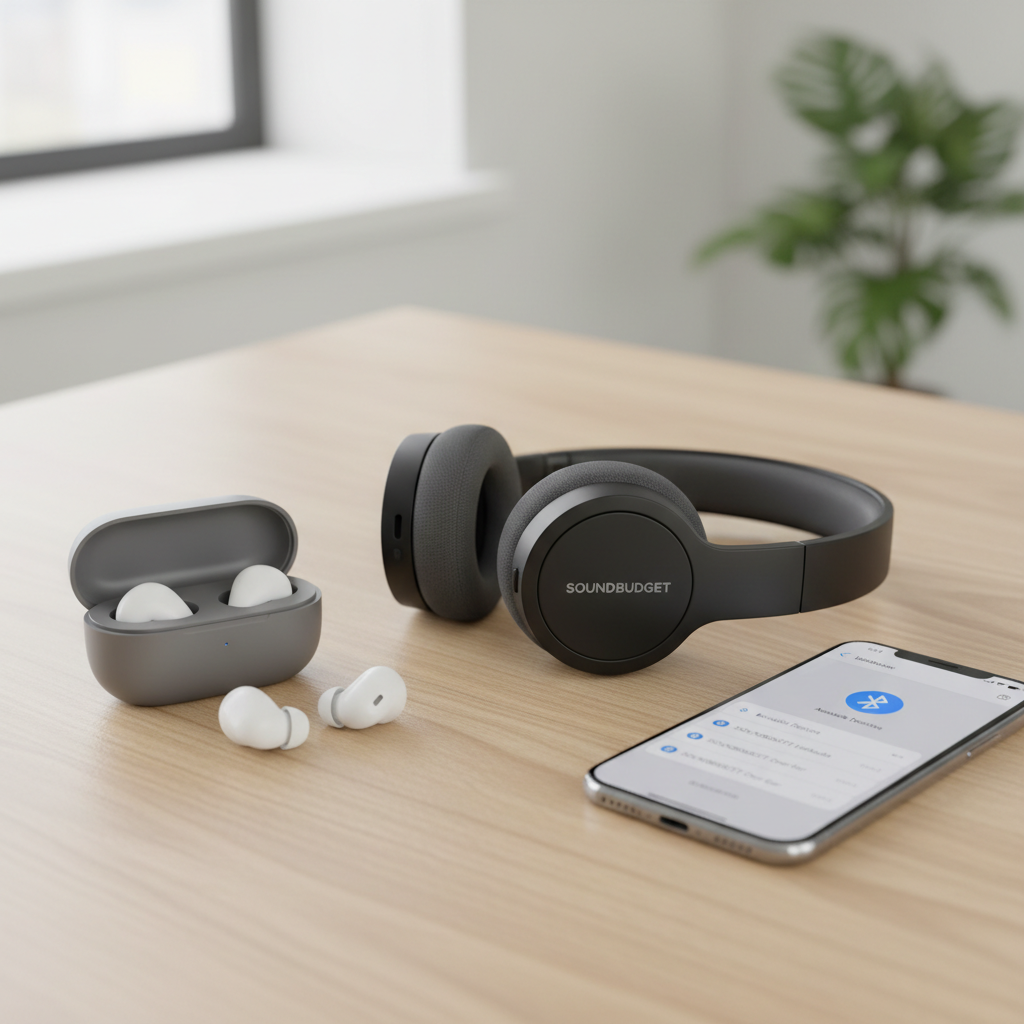
The market shifted, you’ll see more feature checklists on the box, but fewer brands that clearly explain trade-offs. In practice, under $50 usually gets you one of three categories.
- True wireless earbuds (TWS): best portability, okay mics in quiet rooms, fit can make or break them.
- Neckband earbuds: less trendy, but often more stable connection and battery, decent for workouts.
- Budget over-ears: more comfort for long listening, bigger drivers, but bulkier and sometimes plasticky hinges.
Also, watch the naming, “ANC” on a listing can mean anything from real active noise canceling to simple passive isolation plus marketing. According to Consumer Reports, fit and seal have a major impact on perceived noise reduction, even before electronics enter the picture.
How to choose budget wireless headphones (without overpaying)
This price tier rewards shoppers who decide priorities early. Most returns happen because people buy for “everything” and get “fine at nothing.”
Start with your main use case
- Calls/Zoom: prioritize mic clarity, stable connection, and sidetone if available. Earbuds may struggle outdoors.
- Gym: prioritize secure fit, sweat resistance (look for IPX4+), and physical buttons if you hate sweaty touch controls.
- Commute: prioritize comfort and isolation, sometimes a snug passive seal beats weak ANC.
- Home listening: prioritize comfort and balanced tuning, over-ears often feel easier for long sessions.
Specs that matter (and the ones that often don’t)
- Bluetooth version: 5.2/5.3 is common and generally fine, but implementation matters more than the number.
- Codec support: AAC can help iPhone users; many cheap sets claim “HD audio” without clear codec info.
- Battery: treat big claims as “up to,” at higher volume you may see less.
- Multipoint: nice for laptop + phone switching, still uncommon under $50, but worth grabbing if real.
According to the Bluetooth SIG, Bluetooth audio performance depends on profiles and implementation, not just the version printed on packaging, which is why two “Bluetooth 5.3” products can feel totally different day to day.
Quick comparison table: what to expect under $50
Use this as a sanity check while shopping, not as a promise for any single model.
| Type | Best for | Typical strengths | Common weak spots |
|---|---|---|---|
| TWS earbuds | Everyday carry, short commutes | Small case, easy to stash, decent sound for the price | Mic in wind, fit consistency, app support varies |
| Neckband | Workouts, long battery days | Stability, fewer dropouts, quick access controls | Less pocketable, can snag on collars |
| Over-ear | Home, office, long listening | Comfort, fuller bass, less “ear fatigue” | Build quality, mic can sound boxy, portability |
Self-check: are you likely to be happy with a $50 pick?
If you match more boxes on the left, you’ll usually feel good about budget wireless headphones. If you match more on the right, it may be smarter to save a bit longer.
- Good fit: you’re okay trying 2–3 ear tips, or you prefer over-ears anyway.
- Reasonable call expectations: mostly indoor calls, not heavy street noise.
- You can live without premium ANC: you want less noise, not silence.
- You’ll treat them as a “daily tool”: you won’t toss them loose with keys.
- You take lots of calls outdoors: wind and traffic expose cheap mic processing fast.
- You’re sensitive to latency: gaming and video editing may frustrate you.
- You need strong ANC: plane travel every week, open offices, it’s a different tier.
- You’re rough on hinges and cases: cheap plastics can crack if compressed in a bag.

Practical buying tips: how to shop and avoid the bad deals
This is the part most guides skip, “best” under $50 changes weekly, but a few habits consistently reduce buyer’s remorse.
1) Read the right reviews, not just the rating
- Search within reviews for “mic”, “wind”, “disconnect”, “left earbud”, “hinge”.
- If many people mention one earbud cutting out, that’s usually a design issue, not user error.
- If the top reviews sound like marketing copy, treat them cautiously.
2) Check return policy before you click “buy”
Fit is personal, and under $50 you often need to try and return once. A clean return policy matters more than a flashy spec list.
3) Don’t pay extra for a “bundle” unless it solves your problem
- Extra ear tips can be helpful.
- Random cases and keychains usually aren’t.
- A USB-C cable matters only if the set doesn’t include one and you actually need it.
4) Decide if you need an app
An app can add EQ and firmware updates, but some budget apps are buggy. If you hate troubleshooting, a solid out-of-box tuning might beat “app features.”
Setup and daily use: make cheap headphones feel less cheap
A little setup effort can noticeably improve the experience, especially with budget wireless headphones where defaults aren’t always great.
Do these in the first 10 minutes
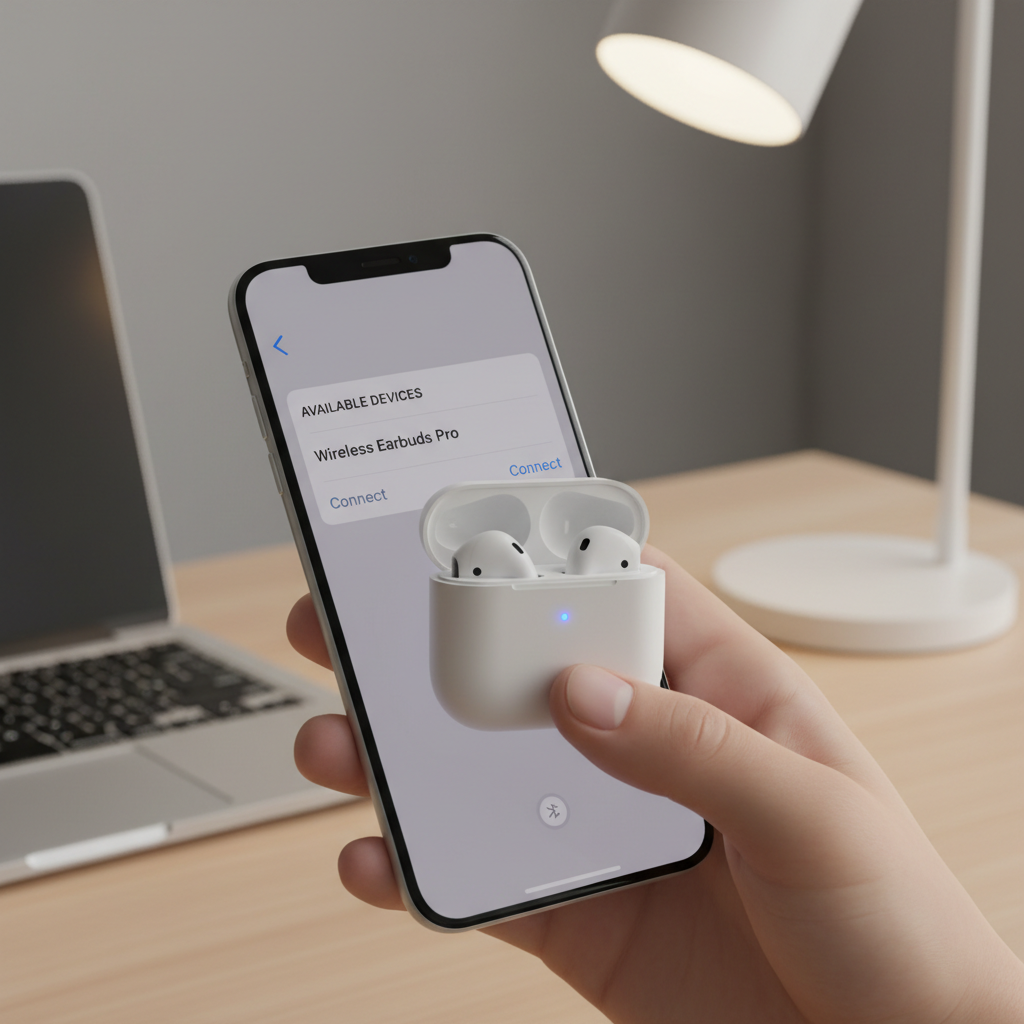
- Update firmware if the brand offers it, then restart your phone’s Bluetooth.
- Test ear tips: start with medium, then try one size up for better seal if bass sounds thin.
- Turn off “extra” effects at first: 3D audio, fake surround, heavy EQ boosts can add distortion.
- Set controls: if the app lets you, map one tap to play/pause, long-press to voice assistant or ANC toggle.
For better call quality
- Take calls in one-ear mode if the product handles it well, some sets sound clearer that way.
- Face away from wind outdoors, mic ports are tiny and get overwhelmed easily.
- If you can, switch to laptop/phone built-in mic for important calls, and use headphones for listening.
Common mistakes people make under $50
Most disappointment comes from mismatched expectations, not from “bad sound.” Here are the traps I see most often.
- Buying for ANC first: in this tier, isolation and fit usually matter more than the ANC label.
- Ignoring comfort: a sharp nozzle or clamp force turns “great deal” into “never used.”
- Chasing huge bass: budget drivers can distort if you boost low end hard, keep EQ moves small.
- Assuming water resistance means waterproof: IPX4 typically means sweat and light splashes, not swimming.
- Overlooking charging style: if everything you own is USB-C, a micro-USB headset becomes annoying fast.
According to the Federal Trade Commission (FTC), online shopping pages can emphasize marketing claims, so it’s smart to look for clear return terms and warranty details before purchase rather than relying on buzzwords.
When it’s worth spending more (and when it’s not)
If your main goal is casual listening, gym sessions, or a backup pair, staying under $50 makes sense and you can still get something enjoyable.
If you need consistent performance for work calls, frequent travel, or you’re sensitive to ear pressure and fatigue, going up to the next tier often buys you better microphones, stronger ANC, and fewer connection headaches. For hearing discomfort or persistent ear pain, it’s reasonable to pause and consider fit changes or ask a healthcare professional, since audio gear should not be painful.
Conclusion: a simple way to pick the right pair
Under $50, you’re not hunting for perfection, you’re picking the compromise you’ll notice the least. Decide your top two priorities, comfort and stable connection usually beat flashy features, then buy from a seller with an easy return window so fit doesn’t trap you.
If you want one action step, make a short shortlist of three models in your preferred style, then choose the one with the fewest repeated complaints about dropouts and mic issues.
FAQ
What are the best budget wireless headphones under $50 for calls?
Look for models where reviews repeatedly mention clear voice indoors, and avoid sets with frequent “people can’t hear me” comments. In this tier, a stable connection and decent noise handling matter more than claiming “AI mic.”
Are cheap wireless earbuds safe for your ears?
They’re generally safe when used responsibly, but listening too loud for too long can increase hearing risk regardless of price. If you notice ringing, pain, or muffled hearing, it’s smart to lower volume and consider asking a professional for advice.
Do budget wireless headphones have noticeable audio delay for videos and games?
Many are fine for streaming video, but gaming can expose latency. If low-latency mode is mentioned in reviews and it actually works, that can help, otherwise consider wired or a gaming-focused model.
Is active noise canceling worth it under $50?
Sometimes, but expectations should be modest. You may get a small reduction in steady noise like AC hum, while voices and sudden sounds still cut through, a good seal often makes a bigger difference.
How long should budget wireless headphones last?
It varies by build quality and how you treat the battery. Many people get a year or more with careful charging and storage, but hinges, cases, and small batteries are common failure points at this price.
What’s the best headphone type under $50 for the gym?
For most people, secure-fit earbuds or a neckband works well. If touch controls drive you crazy mid-workout, prioritize physical buttons and an IPX rating you understand.
Should iPhone users prioritize AAC support?
It can help, but it’s not the only factor. If you’re choosing between two similar options, AAC support is a nice plus for iPhone users, but comfort and connection stability still matter more.
If you’re shopping for budget wireless headphones and you want a quicker shortlist, make your use case clear first, calls vs gym vs commute, then I can help you narrow it to a few styles and the specs that actually move the needle without paying for features you won’t use.