
best budget wireless headphones 2026 is really a search for “good enough sound and comfort, without paying for features you won’t use.” If you buy on price alone, you usually end up with weird fit, flaky Bluetooth, or battery that drops off after a few months.
This guide keeps it practical: what matters most under $100–$150, how to match a set to your commute, workouts, calls, or gaming, and what to ignore even if the box looks impressive. You’ll also get a quick comparison table and a short checklist you can run in five minutes before you hit “Buy.”
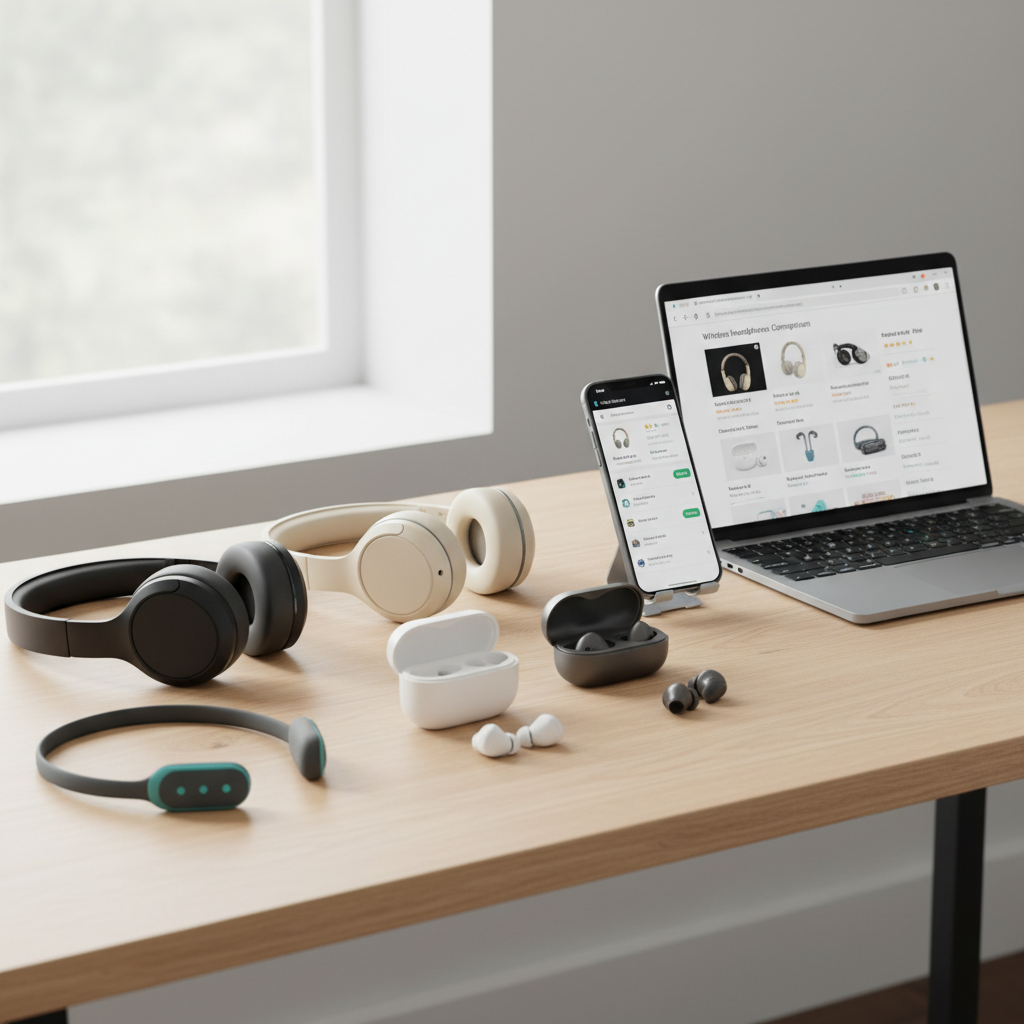
One more thing before we get picky about codecs and ANC: “budget” is a moving target in 2026. Sales rotate fast, older flagship models get discounted, and some brands quietly revise hardware mid-year. So think in ranges and priorities, not a single magic model.
What “budget” should mean in 2026 (and what it shouldn’t)
In 2026, a realistic budget sweet spot for wireless audio in the U.S. often lands around $60–$150. Under that, you can still get decent sound, but quality control and mic performance become more hit-or-miss.
- Reasonable to expect: stable Bluetooth, comfortable pads or tips, usable app EQ, 20+ hours (headphones) or 5–8 hours (earbuds) per charge, USB-C charging.
- Nice-to-have (often inconsistent at low prices): strong active noise canceling, excellent transparency mode, top-tier call quality in wind, multi-device switching that never bugs out.
- Red flags: “Hi-Res” claims with no codec details, vague battery specs, no warranty info, or an app that looks abandoned.
According to Bluetooth SIG (the organization that publishes Bluetooth standards), Bluetooth audio behavior depends on both the headphone and the source device, so “latest Bluetooth version” alone does not guarantee better sound or latency. Translation: don’t pay extra just because a listing shouts Bluetooth 5.x.
Quick comparison table: pick by your main use case
Instead of naming one “winner,” this table shows what typically matters most by scenario. Use it to filter your options before you start reading reviews.
| Use case | Best type | Top priorities | What to de-prioritize |
|---|---|---|---|
| Commute / office | Over-ear or ANC earbuds | Comfort, ANC, transparency, battery | Ultra-low latency modes |
| Work calls | Over-ear or stem earbuds | Mic quality, sidetone, multi-point | Extreme bass tuning |
| Gym / running | Earbuds | Secure fit, sweat rating, wind handling | Heavy ANC |
| Travel | Over-ear | Comfort for hours, ANC, foldability | Smallest case size |
| Casual gaming | Over-ear | Latency mode, comfort, wired option | Marketing-only “surround” modes |

If you’re shopping the best budget wireless headphones 2026 category for commuting, comfort matters more than people admit. A slightly better clamp force and pad material can beat “better specs” every day of the week.
How to tell if a “budget” pick will actually feel good
Most returns happen because of fit, not frequency response charts. Here’s a quick self-check that avoids that trap.
Over-ear comfort check
- Head size: if you often max out headbands, look for generous extension and thicker yokes.
- Clamp force: commuters may like a firmer clamp, but if you get jaw fatigue, go lighter.
- Heat: pleather pads can run warm; fabric can feel cooler but may leak more sound.
- Weight: above roughly 260–300g can feel heavy for long sessions, depending on balance.
Earbud fit check
- Tip options: more tip sizes usually means better chance of sealing properly.
- Stability: if you run, look for fins/wings or a shape that locks into the ear.
- Seal test: weak bass often means poor seal, not “bad sound.”
Budget models can sound surprisingly good when the seal and fit are right. If you’re comparing reviews, pay extra attention to comments about comfort over 1–2 hours, not just “sounds great out of the box.”
Sound quality basics that matter at lower prices
For the best budget wireless headphones 2026 picks, you’re mostly choosing a tuning style and how much control you get to adjust it. Out of the box, many budget options lean bass-heavy because it sells.
- App EQ: a simple 5-band EQ can rescue an otherwise decent headset.
- Codec reality: AAC support is useful for iPhone users; Android users may care about higher-quality codecs, but stability beats “theoretical” improvements.
- Volume headroom: if you listen quietly, you can ignore this; if you listen in noisy places, you’ll care.
According to Apple Support, iPhone audio over Bluetooth commonly uses AAC. That’s why “supports AAC” is a practical checkbox for Apple-heavy households, even in the budget tier.
ANC, transparency, and call quality: where budget models win or miss
Noise canceling and mic processing are where cheaper sets can feel wildly different. Some cancel low rumbles well but introduce hiss, others keep things quiet yet make voices sound thin.
- ANC expectations: budget ANC often reduces engine/AC noise more than voices. In coffee shops, you may still hear chatter.
- Transparency mode: the best ones sound natural; weaker ones add a “robotic” edge that gets tiring.
- Calls: if work calls matter, prioritize models reviewers test outdoors and in wind, not only indoors.
According to Federal Communications Commission (FCC), wireless devices can experience interference, and performance varies by environment. That matters for calls: the same headset can sound fine at home and fall apart downtown.
Battery, charging, and long-term value (the part nobody wants to read)
Battery is where “cheap today” can become annoying later. Many budget options advertise big numbers, but the details matter: is that with ANC off, at 50% volume, on a specific codec?
- Look for fast charging: even 10 minutes for a couple hours of playback changes daily life.
- Replaceable ear pads/tips: for over-ears, pads are wear items; if replacements are impossible, it’s a quiet dealbreaker.
- Warranty clarity: even a basic one-year warranty suggests the brand expects the product to last.
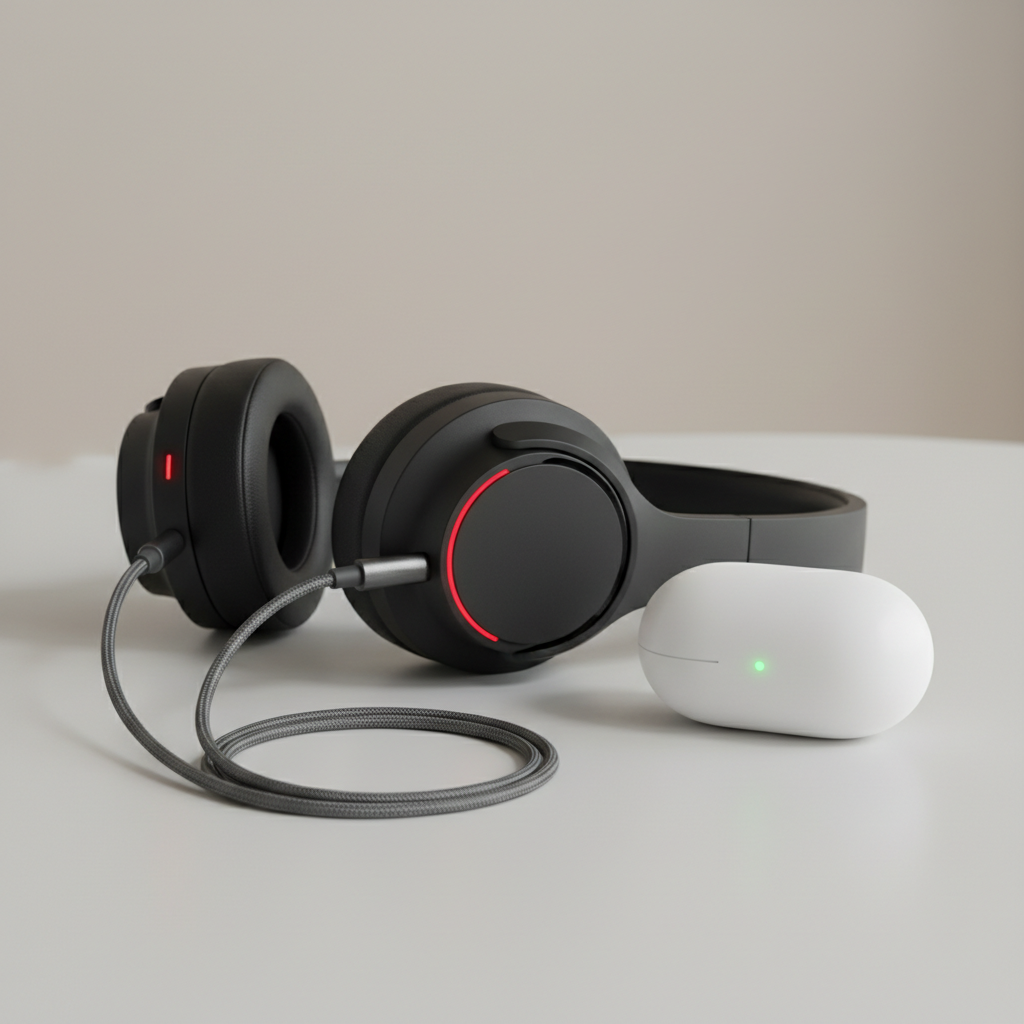
If you’re buying best budget wireless headphones 2026 for a teen, travel bag, or backup pair, battery consistency and easy charging often beat chasing slightly better sound. You’ll use them more, and that’s the point.
A simple buying process you can follow in 15 minutes
This is the quick workflow that usually prevents regret purchases.
- Step 1: Pick form factor (over-ear vs earbuds) based on your day, not your mood.
- Step 2: Decide one “must win” category: comfort, calls, ANC, or workouts.
- Step 3: Check device fit: iPhone users favor AAC support; Android users should confirm app compatibility and stable pairing.
- Step 4: Filter listings for return policy and warranty, then shortlist 3 models.
- Step 5: Read reviews for your scenario (commute/gym/calls), and ignore generic praise.
Key takeaways: Fit beats specs, app EQ is a value multiplier, and warranties tell you more than flashy “Hi-Res” badges. If a product page hides basics, it usually hides other things too.
Conclusion: what to buy if you want “safe value”
If your goal is safe value, choose one model that nails comfort and stable connection, then treat ANC and fancy codecs as bonuses. For many people, that ends up meaning a well-reviewed mid-budget option from a brand that updates its app and clearly states warranty terms.
Your next action is simple: write down your main use case, set a real price ceiling, and shortlist three options that meet the comfort and return-policy checks. That approach tends to beat chasing the “#1” pick every time.